
How to Take Right Action Like a Stoic: Epictetus on Acting with Intention

“When you are about to undertake some action, remind yourself what sort of action it is.”
Epictetus, Handbook, 4
How often do we rush into things without asking why and what we are doing? Epictetus believed that almost every mistake in life comes from forgetting what we are doing and why we are doing it.
For the Stoics, right action begins with understanding what needs to be done and why. Not clarity about the outcome, but clarity about purpose and meaning. The moment before we act is key to doing the right thing. That’s when we decide whether we’re living by virtue or by other motivations.
How do you take right action like a Stoic?
1. Ask the Pre-Action Question
Before you respond to a message, start a project, or make a big move, pause. Ask yourself: “What sort of action is this?” “What is required of me here?”
Is it wise? Is it necessary? Is it aligned with your values? That pause is the key to acting virtuously and in accordance with Nature.
2. Focus on What You Control
You can’t control results, only effort and intent. Taking right action like a Stoic means putting your full attention on what is yours: choice, discipline, and reason. The rest belongs to fate.
3. Make Character Your Compass
For Epictetus, every action reflects your character, and this is the most important aspect of our being to guard and protect. Do not act for applause or approval, but because it expresses who you are and the role you play in the community. Virtue is the goal, not validation.
The next time you’re on the edge of a decision, remember this: how to take right action like a Stoic is not about perfection, it’s about awareness. That’s what Epictetus called freedom.
FAQ: How to Take Right Action Like a Stoic
What do the Stoics say about action?
Stoics believe that action should always be aligned with reason and virtue. Each choice is a reflection of your values and character.
How can I make better decisions using Stoicism?
Pause before acting and reflect on the nature of your action. Is it in your control? Is it virtuous? That clarity prevents regret.
Is intention more important than results in Stoicism?
Yes. For the Stoics, the only thing truly in our control is intention and effort. Results are up to fate.
Want to explore more Stoic strategies?
Book a free consultation with one of our Stoic Coaches or read more on the Epictetus Quotes page. You can also listen to the Via Stoica podcast on Spotify, Apple Podcasts, or watch it on YouTube.
Author Bio
Benny Voncken is the co-founder of Via Stoica, where he helps people apply Stoic philosophy to modern life. He is a Stoic coach, writer, and podcast host of The Via Stoica Podcast. With almost a decade of teaching experience and daily Stoic practice, Benny creates resources, workshops, and reflections that make ancient wisdom practical today.
Related Posts
-
 Greek Stoic Philosophy Terms
What Is Ekklisis? The Stoic Art of Avoiding What Harms Your Character
What Is Ekklisis? Ekklisis in Stoicism is the rational refusal to engage with what would damage one’s moral choice. The Stoic meaning of ekklisis is important because it teaches us what to turn away from, not out of fear, but out of commitment to living well. In daily life, ekklisis helps us step back from […]
Read more -
 Via Stoica Podcast
A Hark Audio Curated Stoic Playlist for 2026
At the start of a new year, there is often an unspoken promise that things will somehow be different. Calmer. More ordered. More predictable. Yet life rarely follows that script. Delays disrupt flights, plans break down, people drift away, and life brings events we cannot control. What we can work on, and what Stoicism has […]
Read more -
 Book Reviews
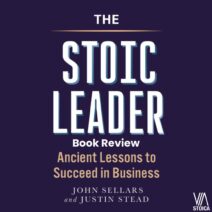
The Stoic Leader by John Sellars and Justin Stead
The Stoic Leader introduces Stoicism as a practical philosophy and explores how its principles shape leadership, judgment, and character in both work and life. Summary Written by John Sellars and Justin Stead, The Stoic Leader offers what is effectively two books in one. Sellars provides an introduction to Stoicism and its philosophical foundations, while Stead […]
Read more

Comments 0