
How to Wait Like a Stoic: A Train Ride Practice
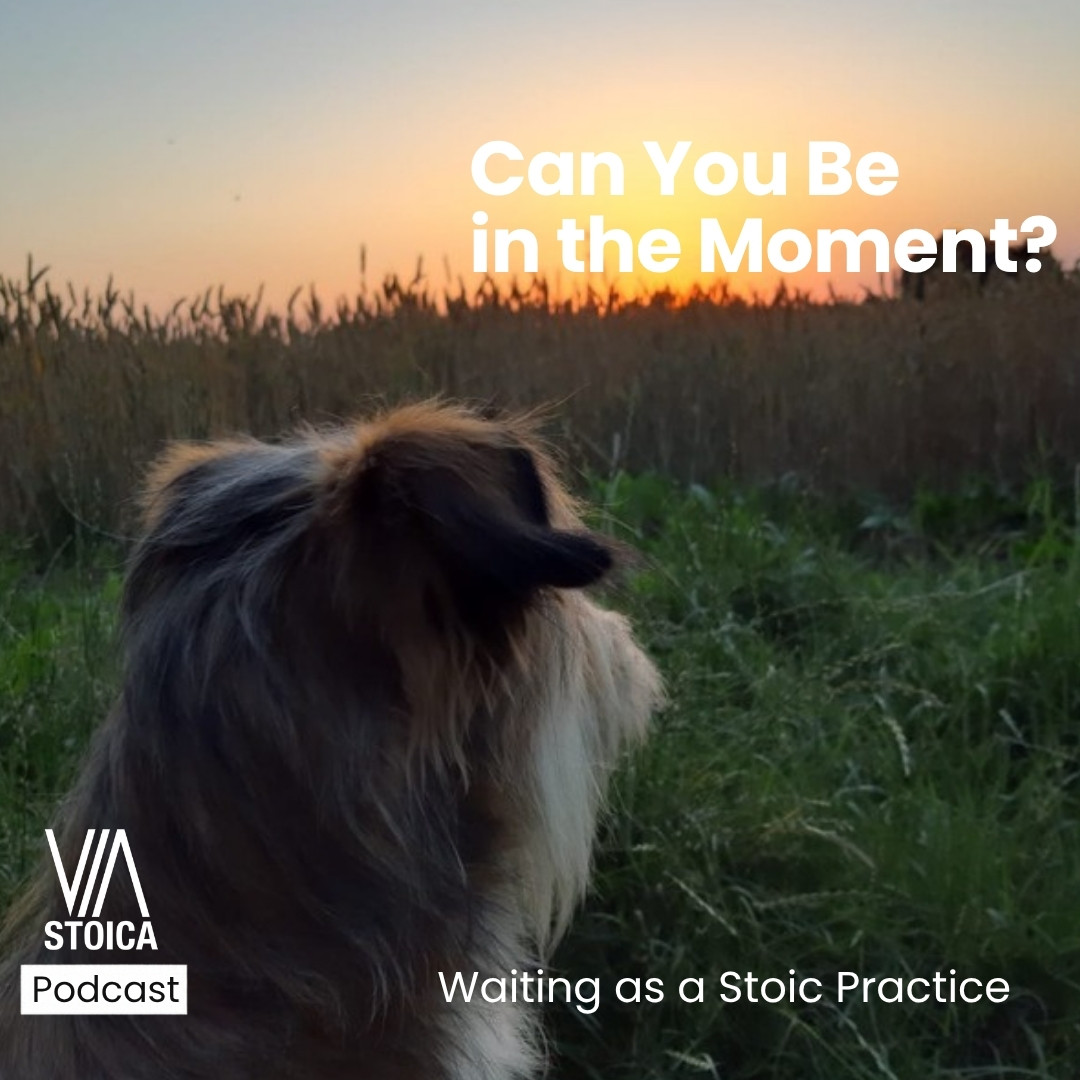
You learn how to wait like a Stoic by asking what this moment asks of you, and I tested that on a train from London to my parents’ home in the Netherlands. Normally I would have watched the clock and counted down the stations, but this time I sat down and asked myself what I wanted to do with the time.
The train still ran late at one point, which is the kind of delay that used to make me anxious. This time I looked out of the window and let it run.
Why Waiting Makes Us Frustrated
Travel means a lot of waiting, even on a short trip. You sit around, you move from one vehicle to the next, and a day full of motion turns out to be mostly sitting.
In the Netherlands a train leaves at three minutes past the hour, and when the clock reaches four minutes past, people start to get nervous. We tie ourselves to the announced time, so a few extra minutes can leave us frustrated, angry or upset. I do the same: I look at the clock and connect it to how long the ride will take.
Waiting also shows how much of life we fill with busy things. Work, hobbies and other activities keep us occupied, and the small stretches in between, like the commute or the queue, ask a different question: what do we do with them?
“The greatest obstacle to living is expectation, which depends on tomorrow and wastes today.”
Seneca, On the Shortness of Life, 9
My train ride was a small version of this. I wanted to be at my parents’ place and not on the train, so the whole ride hung on the moment of arrival. Our article on how to manage expectations like a Stoic looks at the same habit.
Ask What This Moment Asks of You
Stoic philosophy gave me a question for these moments: what is my task here, and what is my duty? On the train the answer was short. The driver drove the train, and my job was to behave like any other passenger. Within that boundary I could do what I wanted.
“What I’ve learned and where Stoic philosophy really helped me is to focus on what is being asked of you in this moment.”
Benny Voncken, Via Stoica Podcast, Can You Be in the Moment? (3:22)
I chose to stare out of the window, enjoy the scenery and stay with my thoughts, and at one point I took out my phone to write some of them down. On other stretches of the trip I worked on my phone and watched things, which was also fine, because I had stopped measuring how long I had to wait.
How do you know what the moment asks of you? Listen to yourself: ask what you feel like doing, what energy you have and what sits on your mind. If something worries you and you can act on it, take five minutes to start the task you have been putting off. Do it on purpose, and the same goes for something you simply enjoy. Our article on how to stop waiting and start living goes further into this.
“Why not just take five minutes, start a little task that you’ve been putting off, that’s been worrying you, that’s been dragging you out of your peace of mind, and do it.”
Benny Voncken, Via Stoica Podcast, Can You Be in the Moment? (6:25)
How to Wait Like a Stoic in Four Steps
Pick a wait you remember, such as my train ride, or the waiting room at the dentist or the doctor, and have a pen ready.
Begin with the facts. Write down where you were and what happened, and why you wanted to be somewhere else.
Next, write how you felt. You may have felt anxious, stuck or on hold, or you may have wondered whether you would be called next.
Then ask what you added to the moment. On my train I added the clock and the countdown of stations, and in a waiting room you may add the question of when your turn comes.
Finally, sort what you wrote along the dichotomy of control. How fast you arrive and the time someone announced sit on the side you cannot control. Your behaviour sits on the side you can control, along with the book in your bag and the choice to watch the people around you.
Take the result into your next wait and decide beforehand what your task will be. That task can be as simple as sitting, observing the world and noticing how you feel, because a wait does not have to become an efficient part of your day.
Frequently Asked Questions About How to Wait Like a Stoic
How do you wait like a Stoic?
You ask what this moment asks of you and then choose what you want to do within it. On my train ride that meant looking out of the window instead of watching the clock.
Why does waiting make us anxious?
We connect the wait to the clock and to the time we expected. When the train takes longer than announced, the gap between the plan and the clock produces frustration.
What does Seneca say about expectation?
In On the Shortness of Life, Seneca calls expectation the greatest obstacle to living, because it depends on tomorrow and wastes today.
Do I have to be productive while waiting?
No. Sitting, looking around and noticing how you feel is a valid task, and it tells you something about how you want to live.
What does living in the moment mean for a Stoic?
It sounds like a cliché, so I put it as a set of questions: where am I, what does this moment ask of me, and what are my options and choices?
A Thought to Take With You
I watched the other passengers and the countryside, and before I knew it I had arrived. In the past I would have sat there thinking that I wanted to get there. The same works in a meeting, at an airport or at a family gathering where you wish it were over: take a step back, have a short chat with the people near you, or observe how they relate to each other.
“Not to try to get there, but to focus on where we are.”
Benny Voncken, Via Stoica Podcast, Can You Be in the Moment? (11:50)
Watch the full episode on YouTube.
Want to Learn More?
If this resonated, a conversation with Benny as your Stoic coach can be a good place to begin. You can also sign up for the newsletter, The Pause, or follow the Via Stoica Podcast on YouTube, Spotify, or Apple Podcasts.
About the Author
Benny Voncken is the founder of Via Stoica and host of the Via Stoica Podcast. He has practiced Stoicism for over six years, spoken at Stoicon, and led Stoic walks across Europe. Through Stoic coaching, he helps people develop their own philosophy of life. It gives them the tools to face obstacles, navigate change, and find balance. He writes, teaches, and walks wherever the philosophy takes him.


Comments 0