
The Stoic Habit of Pausing: How Epictetus Trains Your Judgment
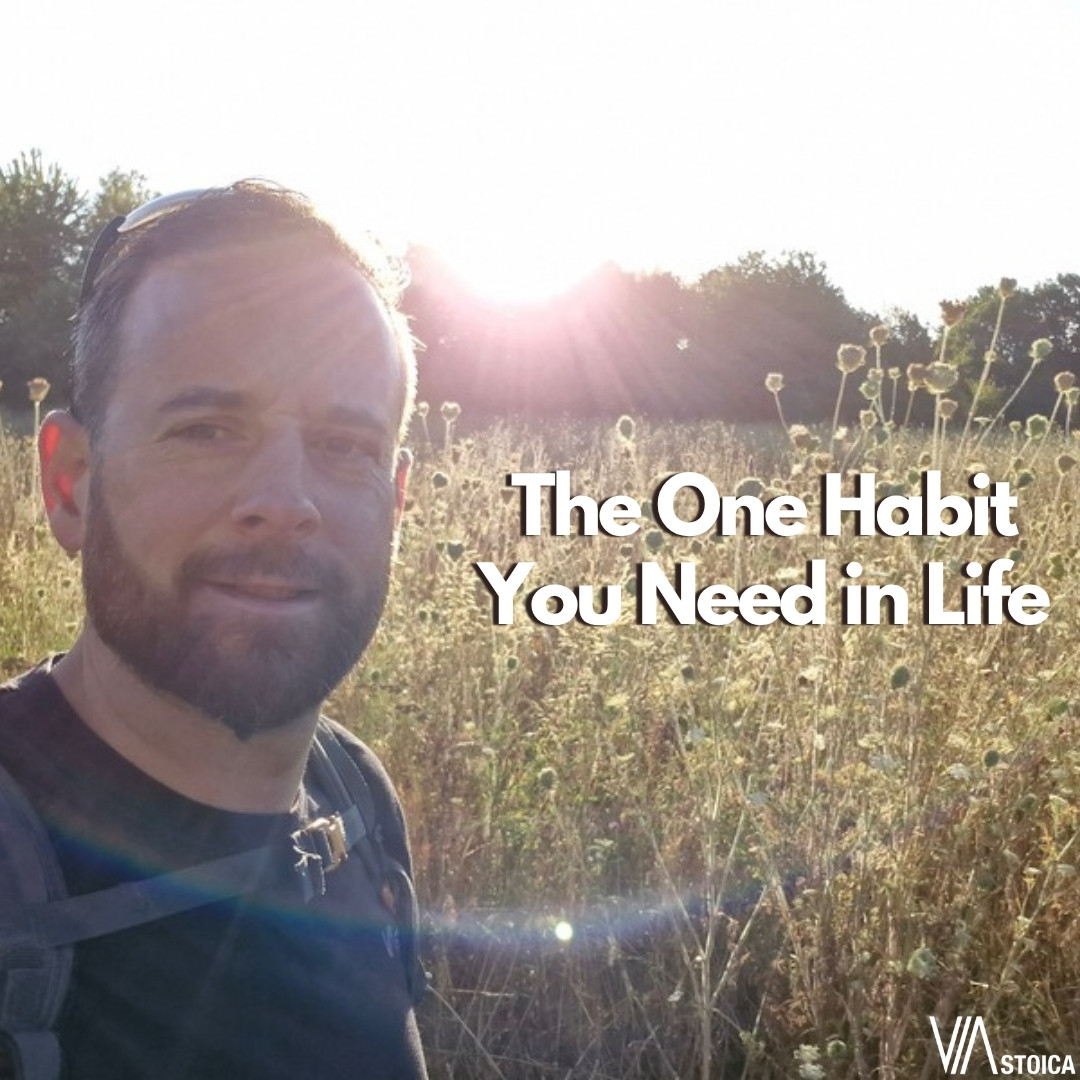
The Stoic habit of pausing means leaving a gap between an impression and your response, so you judge it before you act. We make about 35,000 decisions a day. If we had to sit down and weigh each one, we would get nothing done and our minds would shut down from the load. That is why we build habits and routines that handle those moments for us.
Most advice on habits stops there, with tricks for saving time and energy. The Stoics point to something deeper, which I call the Stoic habit of pausing. It trains your character instead of your schedule, and it decides how you respond when something provokes you.
Why We Build Habits to Save Decisions
We only have a limited amount of mental energy for judgments. Habits protect it by taking small choices off our plate. I do this all the time. I often return to the same restaurants and order the same meals, so I do not have to judge anything new.
My breakfast shows how it works. I eat two eggs and tuna, which I can buy almost anywhere, and I add a protein shake when it is available. I love to travel, and my life holds constant change in the form of new cities, new kitchens, new supermarkets and new cultures. A fixed morning routine and a quick unpack help me feel at home wherever I land.
The routine stays flexible. If there are no eggs, I find something else, and I accept that it costs me a little more thought. The food itself is not the point. The point is the space it creates for what I want to spend my time on. That means recording, working on Via Stoica, coaching, meeting people and going on Stoic walks. Without a plan, my decisions default to sugar and sweets.
"So it's not about the decision itself, it's about creating space for the things that you want to spend your time on."
Benny Voncken, Via Stoica Podcast, The One Habit You Need in Life. (05:12)
Life Hacks Only Work If They Fit You
Modern self help loves small habits such as waking up at five in the morning or going to the gym every day. I have nothing against them, and I have tried many myself. The caveat is that a routine that worked for someone else does not prove it works for you.
Treat each one as an experiment. Try it, tweak it, or drop it altogether. As you go, you build routines that fit your life, and you learn more about your own priorities. Then you can adapt your habits as your life changes. Our article on Stoic habits for modern life offers more daily practices to test.
Epictetus on the Habit Beneath All Habits
Daily routines still miss something deeper, and this is where Epictetus comes in. He can be stern about it. He says there is really only one habit to cultivate, which is learning to reason well and to make the best moral choice.
The reason is character. We want to answer the impressions that reach us with judgment instead of raw emotion. That is how we live a life of virtue and stay true to our nature. In a world that pushes us toward pleasure and external goals, bad habits slip in easily. They show up in how we decide and in the intentions behind our choices. If we feed them long enough, we become far too emotional and impulsive, and we look back with regret.
Epictetus offers a line you can use for this. Meet the impression and say:
"Impression, wait for me a little. Let me see what you are and what you represent."
Epictetus, Discourses, 2.18.24
You refuse to accept the impression at face value and give yourself time to examine it. Our guide on how Stoics deal with impressions explains the method behind that pause, and our article on how to stop emotional reactivity shows it in daily life.
How Criticism Taught Me to Pause
I learned this habit through direct exposure. When I started my blog, which later became Via Stoica, I posted my articles on Facebook. I had always handled criticism badly and took it personally, so I went to the place where I would find plenty of it.
Some of the replies were not friendly, and at first they shook me. I spent hours researching the best answer, until I saw that I was wasting my time. My first impression told me something bad had happened, and I missed the value of the message. So I retrained that reaction. Someone wrote words I would not have chosen, and I looked at the message underneath. Often it held something true, and it showed me where my views were wrong.
That pause then helped me elsewhere, in conversations on the street and in new situations that made me nervous. Do this in a controlled setting. You may need guidance, and professional help is a good choice when you need it. Tell the people around you that you are practicing, since they may be surprised by the change.
Train the Pause Like a Muscle
Nobody gets this right on the first try. We build the habit in steps, the way we build a gym routine. If you struggle to start, put on your gym clothes, then walk out the door, and then do a little more. The same applies to the pause. You start by noticing what happens, then you test the impression, and then you line up your action with what is really going on.
Like a muscle, it grows through practice, reflection and rest. Musonius Rufus linked body and mind in the same way. He urged philosophers to work the land and also to train the mind through debate and reflection.
Keep checking both kinds of habits. Your external routines, such as your diet, your use of time and the people you see, may have served you once and stopped fitting. Your inner habits of reasoning and waiting need to stay sharp too, so that they line up with virtue and with who you are. When you slip, treat it as information. It tells you the habit has not settled in yet, and it calls for compassion and more practice.
"It has reduced my anxiety, it has made me be able to experience life far better in a more positive light, create better relationships with people around me."
Benny Voncken, Via Stoica Podcast, The One Habit You Need in Life. (19:26)
How to Practice the Stoic Habit of Pausing
This practice has four parts, and you can start today.
Begin by choosing one area of your life where you often jump to conclusions. It could be a colleague at work, or food, when you eat things that do not serve you because you think you are hungry.
Next, catch the moment between impression and action. Take a step back and ask why you formed that judgment.
Then test the impression with Epictetus’ line and ask what would really benefit you and make the better moral choice easier.
Repeat this daily and expect to fail sometimes. Support it with journaling, meditation, talks with others or a walk where you reflect. You can practice anywhere, which makes it a strong habit for travelers who meet new people, languages and cultures.
Frequently Asked Questions
What is the Stoic habit of pausing?
It is the practice of creating a gap between an impression and your response. In that gap you test the impression, form a judgment and choose the action that fits your values. Epictetus treats it as the one habit worth cultivating above all others.
What habit did Epictetus say we need?
Epictetus said we need the habit of reasoning well and making the best moral choice. It protects our character and helps us answer impressions with judgment instead of raw emotion.
Are morning routines and life hacks useless?
No, they save decisions and free up energy for what you care about. They work best when they fit your own life, so experiment, adjust and drop what does not suit you.
How do I build the habit of not reacting in anger?
Pick one situation where you tend to react fast. Notice the impression, step back and ask what is really happening before you act. Do this repeatedly, in small steps, and give yourself room to fail while you learn.
How long does it take to form this habit?
It takes steady practice, and the timeline differs for everyone. Treat each slip as feedback that the habit has not settled yet, and keep going with patience.
Free Your Time and Free Your Character
Habits can do two jobs. Some save us time and decisions, and a few build the character that decides how we respond to life. Both help, but the second one changes who we are.
Pick one moment this week where you tend to react too fast, and give the impression a little time before you answer it.
"And so breakfast can free up your time. It is the pause that can really help you free your character."
Benny Voncken, Via Stoica Podcast, The One Habit You Need in Life. (20:15)
Watch the full episode on YouTube.
Want to Learn More?
If this resonated, a conversation with Benny as your Stoic coach can be a good place to begin. It gives you space to build your own philosophy of life. You can also sign up for the newsletter, The Pause, or follow the Via Stoica Podcast on YouTube, Spotify, or Apple Podcasts.
About the Author
Benny Voncken is the founder of Via Stoica and host of the Via Stoica Podcast. He has practiced Stoicism for over six years, spoken at Stoicon, and led Stoic walks across Europe. Through Stoic coaching, he helps people develop their own philosophy of life. It gives them the tools to face obstacles, navigate change, and find balance. He writes, teaches, and walks wherever the philosophy takes him.

Comments 0