
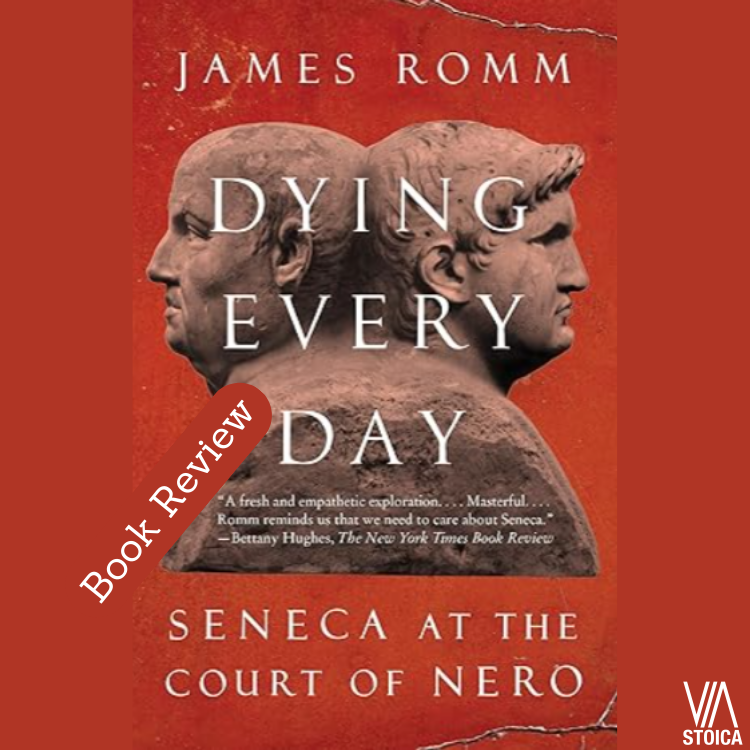
Book Review: Dying Every Day: Seneca at the Court of Nero by James Romm
Dying every day: Seneca at the Court of Nera is a captivating view into the life of Seneca. As a central question, we try to find out who Seneca was. All this wrapped into the intrigues of the imperial courts from Caligula, Claudius, Agrippina, and last but not least, Nero.
A gripping journey through the Roman imperial court that forces every Stoic reader to confront one uncomfortable question: who was Seneca, really?
| Author | James Romm |
| Year | 2014 |
| Difficulty | Entry-level |
| Via Stoica score | 10 / 10 |
Core argument
Seneca wrote about virtue, simplicity, and the examined life with more eloquence than almost any philosopher of his age. Yet he spent years advising Nero, one of Rome’s most brutal emperors. James Romm argues that these two versions of Seneca cannot be fully reconciled. The world Seneca inhabited made moral purity nearly impossible. Dying Every Day does not deliver a verdict on the man. Instead, it reconstructs that world with meticulous care and asks the reader to sit with the discomfort of not knowing.
Summary
James Romm is professor of classics at Bard College and one of the leading scholars of the ancient Roman world. Drawing on Tacitus, Cassius Dio, and the play Octavia, he reconstructs life at the imperial courts of Caligula, Claudius, and Nero. The result is part scholarly biography, part political drama, and part philosophical puzzle.
The book follows Seneca from his exile on Corsica, through his recall to Rome as tutor to the young Nero, and on to his rise as one of the most powerful men in the empire. Each chapter introduces new characters and complications. Agrippina, Britannicus, Octavia, Poppaea: each arrives with their own agenda and their own version of events. Together, they paint a picture of a world that a modern soap opera would struggle to match.
What makes the book unusual is its refusal to simplify. Romm shows Seneca writing letters about the simple life while owning extensive property. He shows him advising moderation while working for a man who killed his own mother. The contradiction is the subject, not a side note.
A personal note: the Roman Empire has fascinated me for as long as I can remember. Reading this book changed how I experience the modern city of Rome. Knowing that on that ground, all these tragedies played out adds a completely different layer. Visits to Pompeii and Naples deepen that further. With Stoicism as the thread running through it, this book brings that world to life in a way that very few others manage.
Thus was arranged the recall of Lucius Annaeus Seneca, the man known to us simply as Seneca or as Seneca the Younger. From his rocky island home on Corsica, where he had passed his time observing comets, stars, and planets, Seneca made his way to the imperial palace at Rome — an observatory of the dark recesses of the human heart.
James Romm, Dying Every Day: Seneca at the Court of Nero, Chapter 1
Review
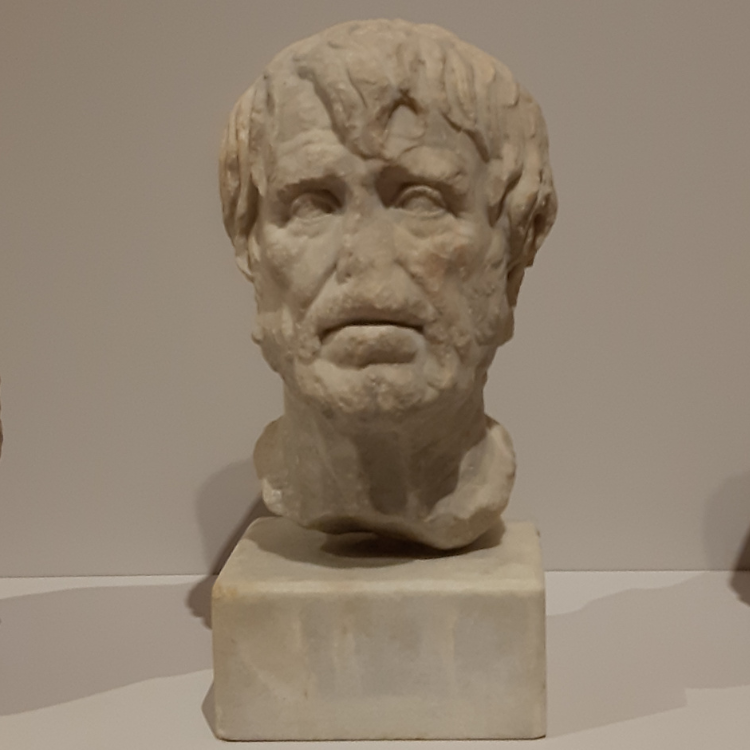
Romm writes with the confidence of someone who has spent years with the primary sources. The book moves quickly despite covering enormous historical ground. Each chapter builds on the last without losing the central thread of Seneca’s story.
The most compelling quality of the book is its restraint. Romm never tells the reader what to think about Seneca. He presents the evidence, acknowledges its contradictions, and steps back. That posture is genuinely Socratic. It makes the reading experience more demanding and more rewarding than a straightforward biography would be.
Compared to How to Be a (Happy) Skeptic, which also takes a Roman thinker as its guide, Dying Every Day is less interested in philosophical instruction and more interested in historical truth. Where Pigliucci uses Cicero to build an argument, Romm uses Seneca to ask a question. Both books, however, benefit from being read alongside the primary sources. Reading this one will send you straight back to Seneca’s own letters.
Who this book is for
This book suits anyone fascinated by Roman history, by Seneca, or by the question of what it means to hold philosophical beliefs in a world that constantly tests them. It requires no background in Stoicism or ancient philosophy. The writing is accessible and the story pulls the reader forward without effort.
It is also the right book for a Stoic practitioner who wants to understand the man behind the texts. Reading Seneca’s letters after this will feel entirely different.
It is less suited to someone looking for a practical introduction to Stoic ideas. The philosophy is present throughout, but Romm examines it historically rather than applying it practically. Readers who want Seneca’s own voice should read his Dialogues and Essays alongside this book, not instead of it.
Via Stoica verdict
A score of 10 out of 10 reflects a book that does something rare: it makes you experience the ancient world as if you are standing in it. Reading Dying Every Day changed how I walked through Rome. It changed how I experienced Naples and Pompeii. Every stone in those cities now carries a different weight. Furthermore, it changed how I read Seneca’s own letters, because I can no longer separate the philosopher from the man who had to survive at Nero’s court. That is what the best historical writing does.
Via Stoica connection
For the broader context on Seneca, the Via Stoica review of his Dialogues and Essays is the natural companion to this book. Together, the two give you both the historical Seneca and the philosophical one. James Romm has not yet joined us on the Via Stoica Podcast, but his work informs much of what we discuss whenever Seneca comes up.
You can buy Dying Every Day: Seneca at the Court of Nero on Amazon.
Read next
Explore more from the Via Stoica book review library:
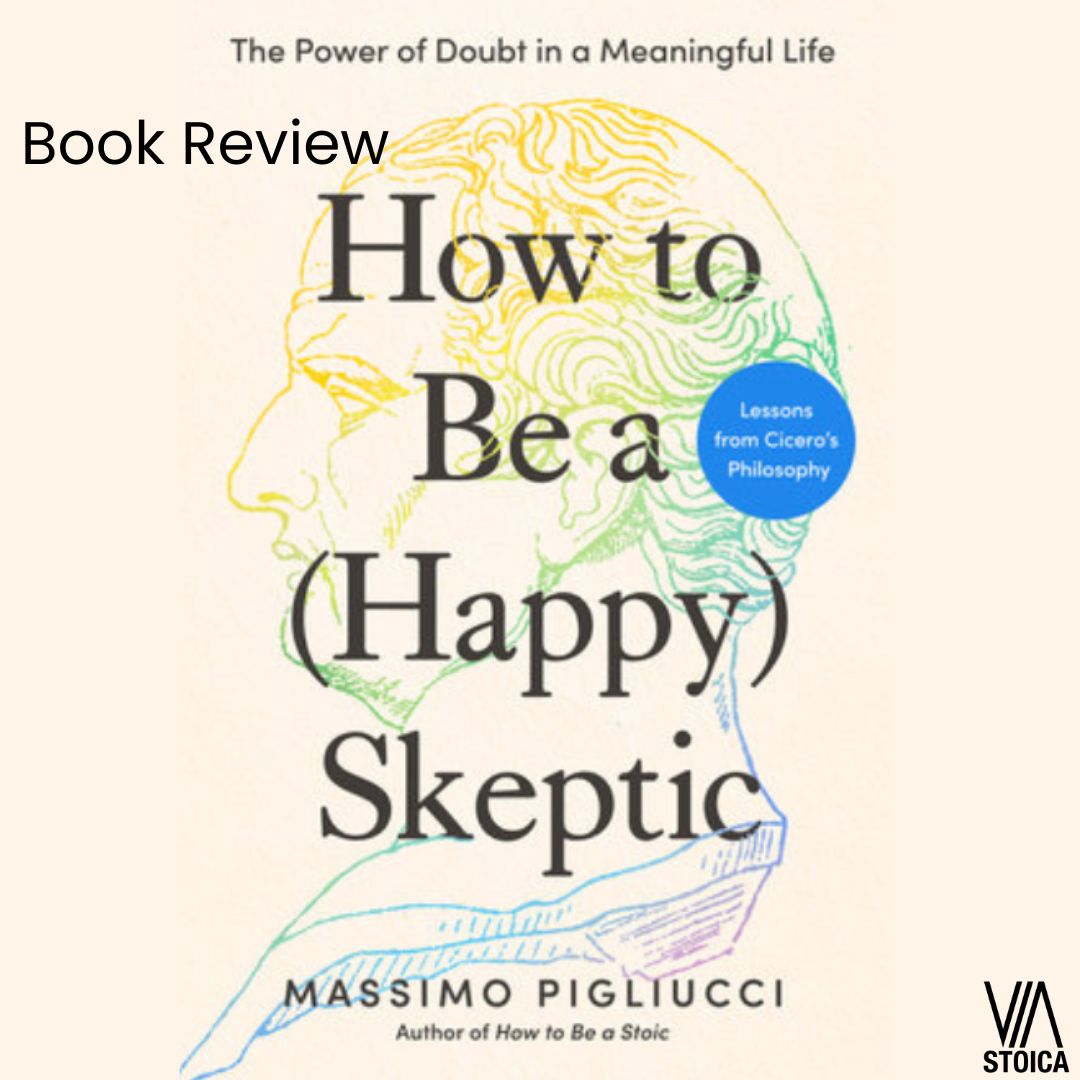
How to Be a (Happy) Skeptic
Massimo Pigliucci
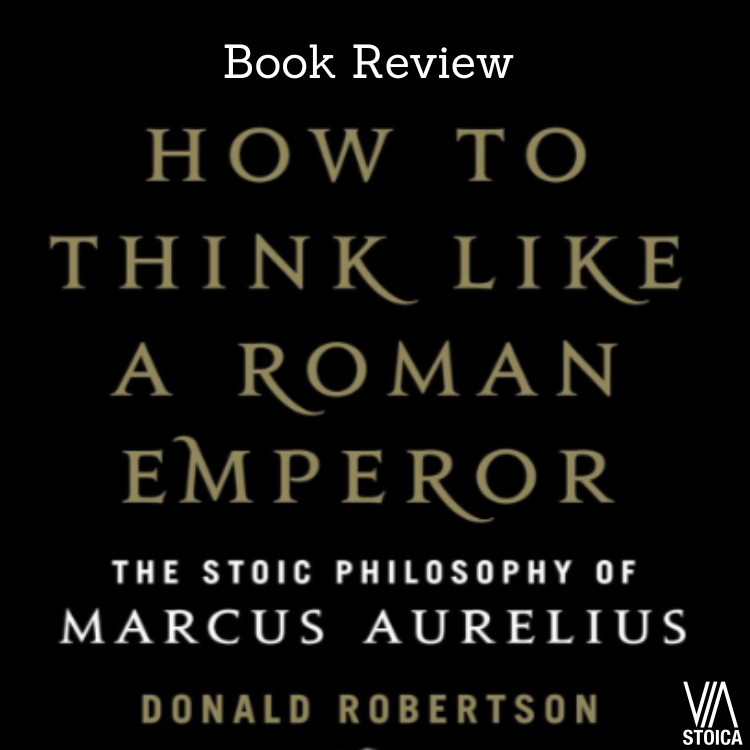
How to Think Like a Roman Emperor
Donald Robertson

Breakfast with Seneca
David Fideler



Comments 0