
Book Review: How to be a (Happy) Skeptic by Massimo Pigliucci
A journey through Cicero’s life and thought that makes a compelling case for doubt as a philosophical practice, with real implications for anyone drawn to Stoicism.
| Author | Massimo Pigliucci |
| Year | 2026 |
| Difficulty | Practice-ready |
| Via Stoica score | 9 / 10 |

Core argument
Cicero was not a Stoic. He was a serious philosophical practitioner who believed that honest doubt and rigorous inquiry were essential to living well. Massimo Pigliucci argues that this Skeptical posture is not a contradiction of Stoic practice but a healthy check on it. Certainty, when held too tightly, becomes dogma. Suspending judgment, examining evidence, and revising beliefs keeps philosophy alive as a way of life rather than a fixed set of rules.
Summary
Massimo Pigliucci is a professor of philosophy at the City College of New York. He was formerly an evolutionary biologist and is the author of How to Be a Stoic. That dual background in science and philosophy shapes this book throughout. The epistemology is grounded, the historical claims are careful, and the biographical chapters on Cicero read as the work of someone deeply familiar with the primary sources.
How to Be a (Happy) Skeptic takes Cicero as its guide through ten teachings from his writings. These move from questions of knowledge outward into practical life: how to tell fact from fiction, how to be a good citizen, how to grieve, how to age, and how to face death. The biographical interludes paint a detailed picture of the world Cicero inhabited. They show the pressures that shaped him and his philosophy.
The structure is accessible without being reductive. Each chapter opens a genuine philosophical question and lets Cicero’s thinking do most of the work. Pigliucci steps in to connect it to contemporary life without forcing the connection.
You can buy How to Be a (Happy) Skeptic directly from the publisher: Penguin Random House.
A personal note: I am someone who finds the history of the Roman Republic as compelling as the philosophy that came out of it. This book speaks directly to that combination of interests. It did not just give me something to think about. It sent me back to Cicero’s own texts and into Julius Caesar’s accounts of the Gallic Wars. I rewatched the HBO series Rome and spent hours with Mary Beard’s documentaries on YouTube. That is what a good book does. It does not stay contained within its own pages.
Every statement that I make about anything, including my personal philosophy of life, should be understood as: yes, but I could be wrong. And I hold this only with a high degree of probability, but not with certainty.
I think that Cicero is interesting to me and should be interesting to people because he is such a relatable individual. He is not a sage, he is not a perfect human being, he is not a superman of any kind. He is one of us.
Review
Pigliucci holds three things together without letting any one of them dominate: the historical Cicero, the tradition he represents, and his own voice. That voice belongs to someone who has lived with these ideas for years. The balance is harder to maintain than it looks, and he manages it consistently.
The chapter on telling fact from fiction is the standout. It addresses something Cicero could not have anticipated. Yet his tools for navigating uncertain information feel more relevant now than they did two thousand years ago. The chapters on grief and aging carry real weight precisely because they do not moralize. They describe what these experiences involve and what the tradition has to offer. There is no push toward a predetermined resolution.
Compared to How to Be a Stoic, Pigliucci’s earlier book on Epictetus, this one asks more of the reader. How to Be a Stoic works as a clean standalone introduction for someone with no background in ancient philosophy. How to Be a (Happy) Skeptic assumes you are already asking harder questions about belief and knowledge. It rewards that curiosity with more depth and more friction. That friction is the point.
“If more people had been following Cicero’s advice during the past two millennia, I wager we would now live in a much nicer and more just world.”
Who this book is for
This book suits a reader who has already engaged with Stoicism and feels the limits of a single framework. If you have read one or two Stoic titles and want a thinker who questions rather than simply applies, Cicero is that thinker. Pigliucci is the right guide to him.
It is also genuinely valuable for anyone with an interest in ancient Roman history or the late Republic period. The biographical material stands on its own.
The book follows Cicero’s life and thought. It does not assume prior knowledge of Stoicism or ancient philosophy, which makes it more accessible than it might appear. A reader coming to this completely fresh will find enough biographical grounding and practical teaching to carry them through. For many, that is exactly the point. Cicero becomes the door, and walking through it leads somewhere deeper.
Via Stoica verdict
There is a view that contemporary philosophy books are somehow secondary to the ancient texts. I do not share it. A well-written modern book can do something the primary sources cannot always do on their own. It can open them up and give a reader the foothold they need to go deeper. How to Be a (Happy) Skeptic did exactly that for me. It sent me back to Cicero’s own writings. It made me question positions I had settled into more comfortably than I should have. That is what the best philosophy books do, ancient or contemporary. A score of 9 out of 10.
Via Stoica connection
I sat down with Massimo Pigliucci to discuss this book on the Via Stoica podcast. We go deeper on Cicero, Skepticism, and what productive doubt looks like in practice. Listen on Spotify, Apple Podcasts, or YouTube.
For the broader philosophical context, the Via Stoica article on how to practice Stoicism is the natural companion to this review.
Read next
Explore more from the Via Stoica book review library:
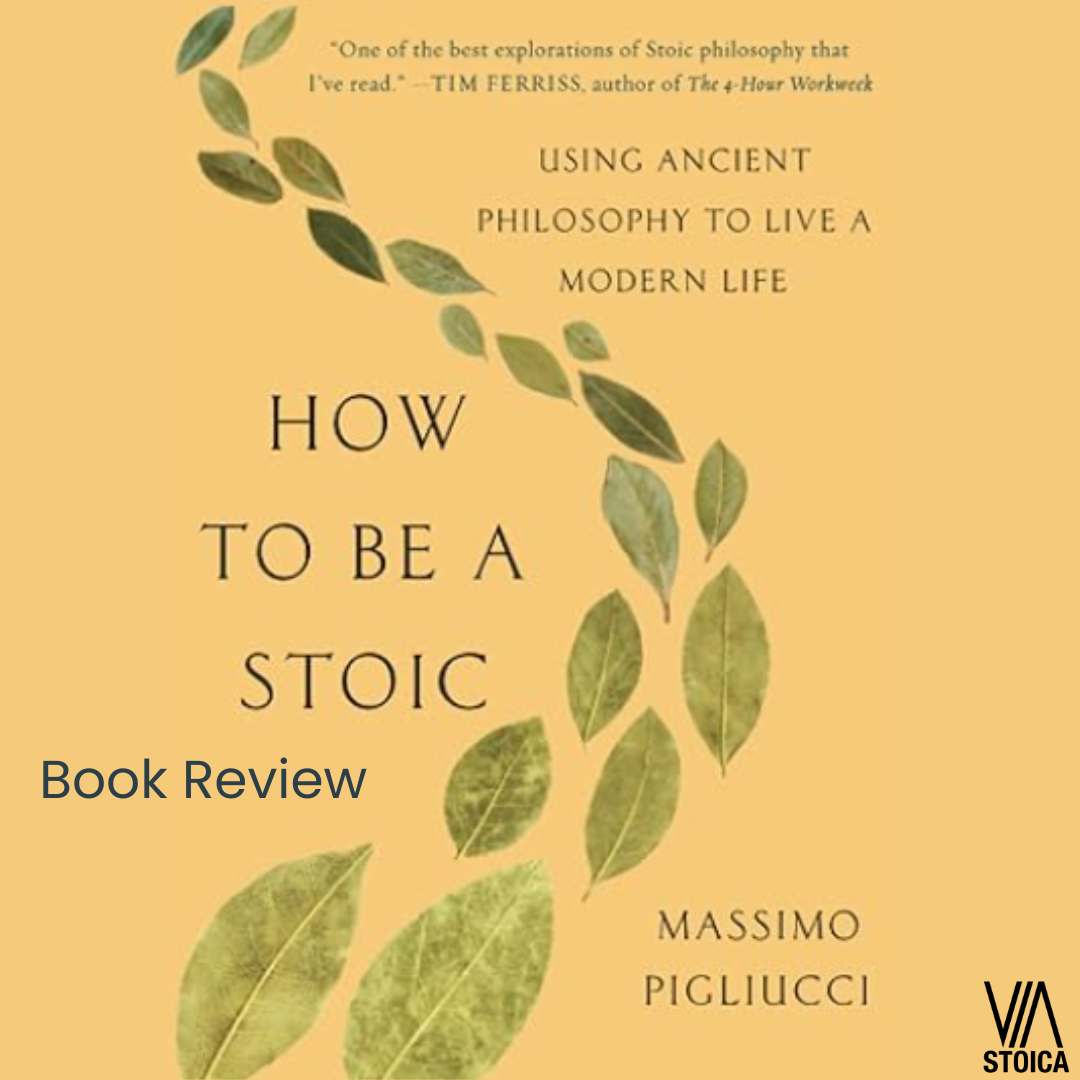
How to Be a Stoic
Massimo Pigliucci
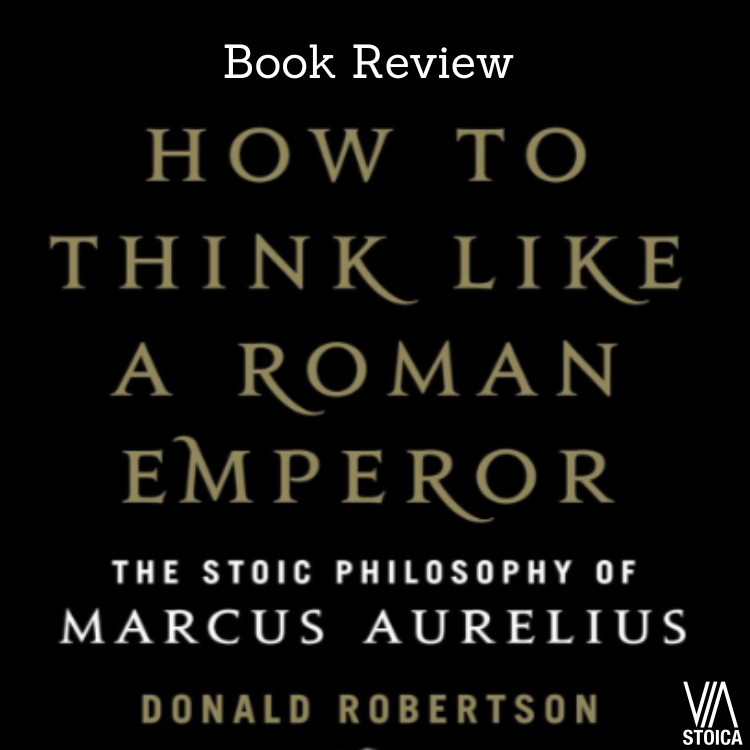
How to Think Like a Roman Emperor
Donald Robertson
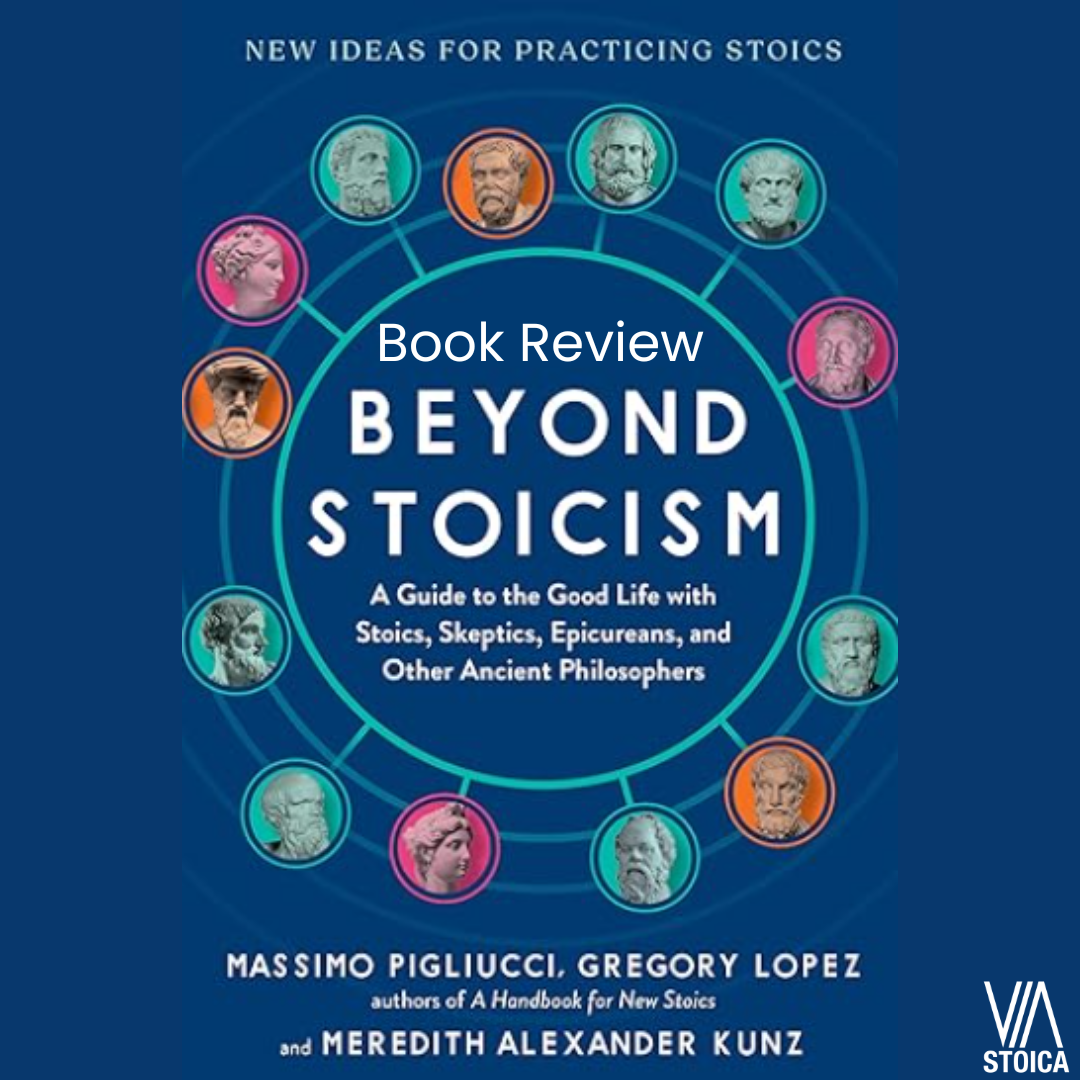
Beyond Stoicism
Massimo Pigliucci et al.


Comments 0