
Who Was Michel de Montaigne?
Who was Michel de Montaigne? This is a short introduction into my idea of who Michel de Montaigne was and how he lived.
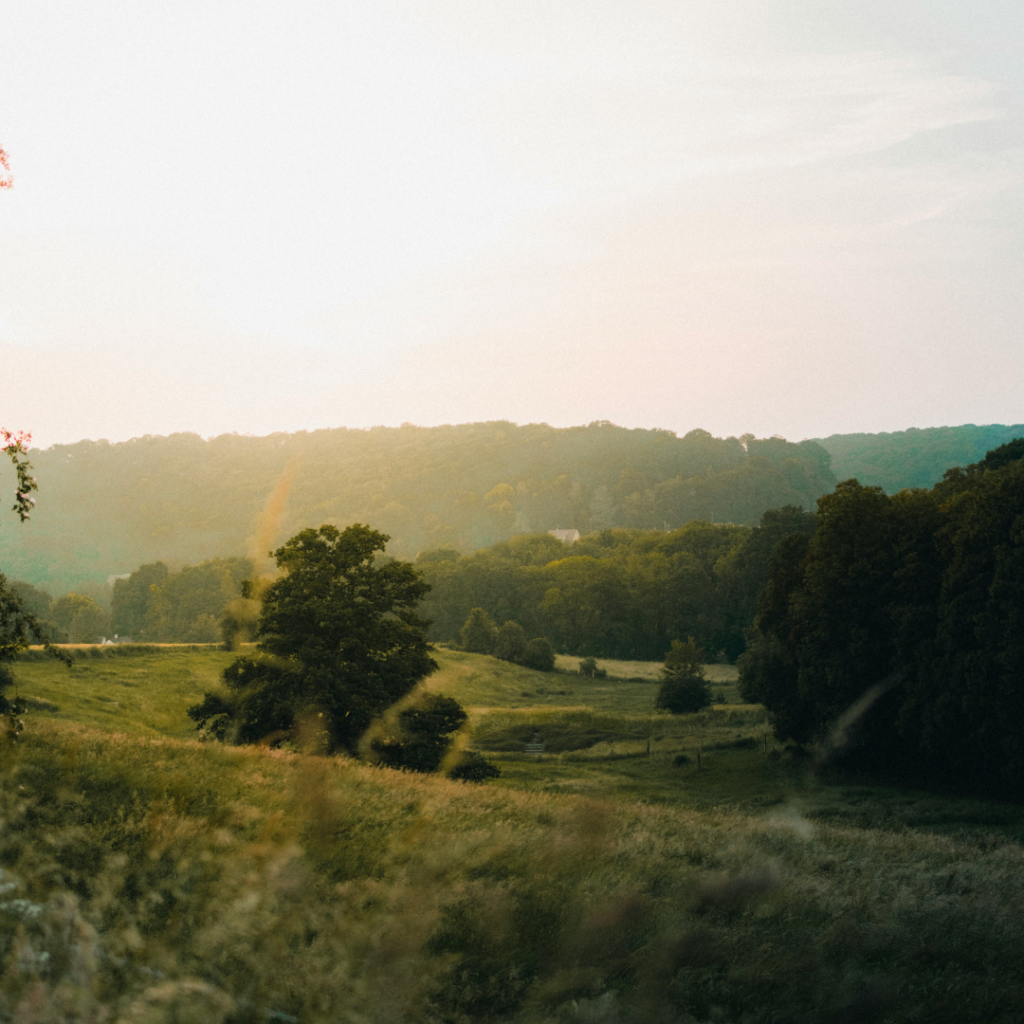
The invitation to visit Michel de Montaigne arrived a few weeks ago, and it took some time to make all the arrangements. But I was almost there at the Chateau de Montaigne in Guyenne, France. This was my first time in France. The flowing countryside felt like fabrics of grass and trees had been draped over the earth. Columns of sleek green pine trees marked the entrance. The smell was inviting and seemed to cover you with a freshness only true nature can provide.
As my escorts and I made our way over the gravel road, the first glimpses of the famous residence made their way into our field of vision. It had a mix of nobleness and humbleness to it that felt welcoming. We had to fight the urge to speed up and make our acquaintance sooner. But the trees and plants on our left and right held us in their soothing grip.
Not the moment I met Michel de Montaigne
Approaching the end of this majestic lane, I didn’t want it to end. But there appeared the head of the household, waiting for us in front of the great doors. He had his assistant guide my escort and our horses to the stables and to their quarters. I followed him inside as the doors creaked open. Through the imposing welcome hall, I was led to a warm dining room. I wanted to wash up first. So I went to my room. My luggage was there waiting for me. I made my toilet and felt like new.
My second visit to the dining room was, to my surprise, not the moment I first met Michel de Montaigne. I asked the servant if the master of the house was in. He said that he was, but required some more time on his own. He would inform me when it was time to visit, but until then, I should replenish after the long trip.
There was a touch of awkwardness
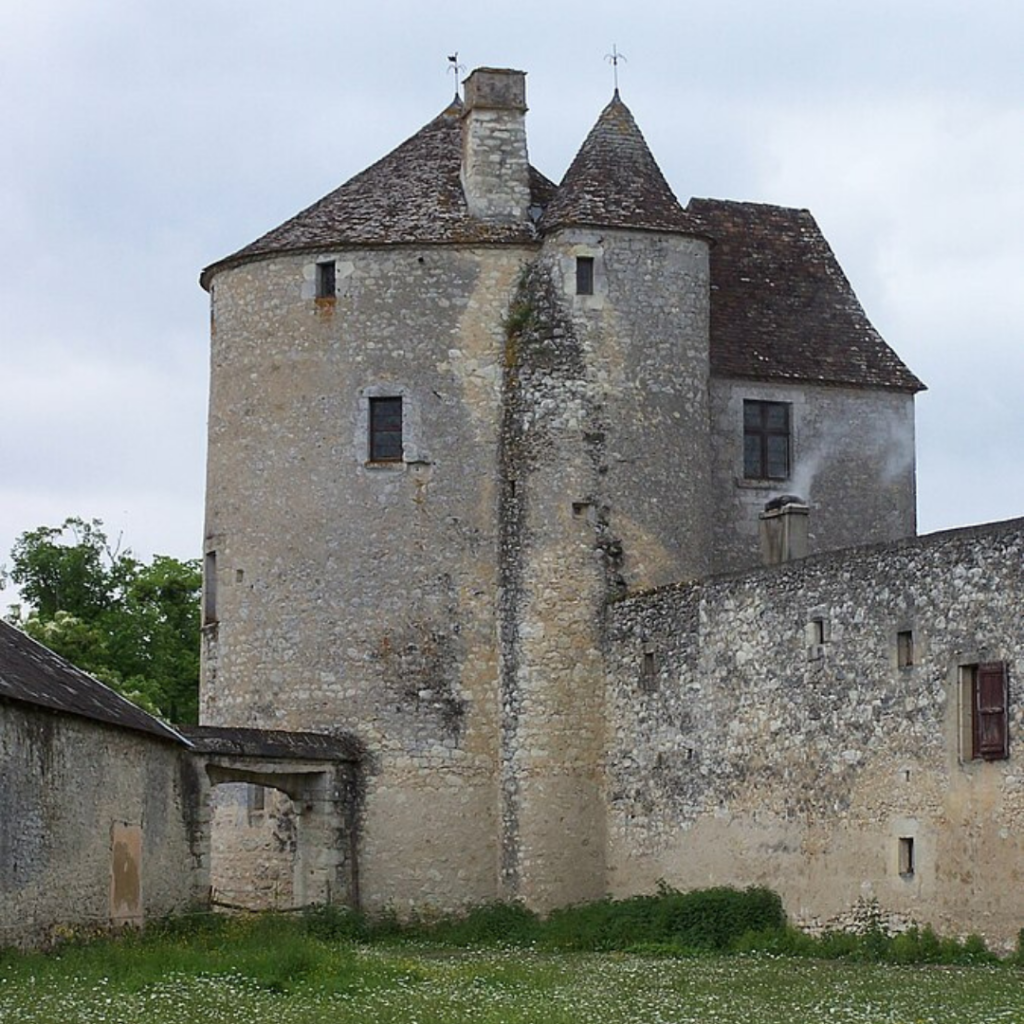
Only after around four hours was I taken to the famous study in Montaigne’s tower. The scents of the fireplace preluded the majesty and mystery this room was about to show me. The valet opened the door, and it was difficult for me to focus. The impressive book collection, the beautiful wooden interior, and the texts on the vaulted ceiling all exceeded my expectations. Behind a massive desk, which was covered in books and paper, I saw a slim person busy writing.
He barely looked up, but once he saw me approached me in a warm and welcoming way. However, there was a touch of awkwardness. Like a wild animal prodding the situation. You could tell that his mind was still in his writing and was busy pondering the world. The valet closed the door as he left the room. We instantly started talking about our common interests, examining ourselves in the world.
Michel de Montaigne was a sixteenth-century nobleman
I imagine meetings like these often. Especially when I read works that have a heavy impact on my life. Michel de Montaigne writes his essays using an interesting topic to examine the world. He is the first one known to us and to us to dissect himself. This gives us a unique and intimate view of his life and thoughts. The personal touch is what makes his essay so different from other philosophers, such as Plato. He even goes on to recommend against reading the works of this great predecessor of his. He thinks reading should be fun, and Plato is too dense.
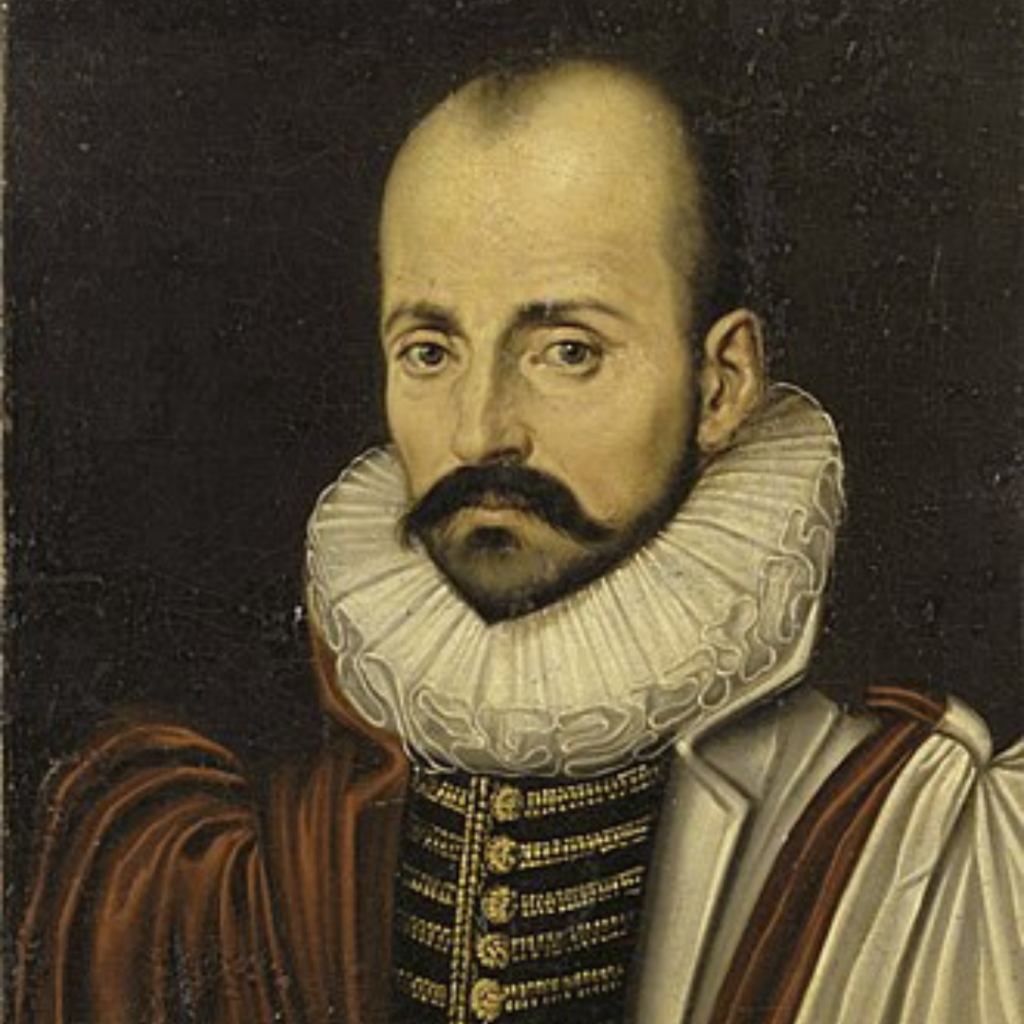
Michel de Montaigne was a sixteenth-century nobleman who was raised by his father in a very loving and open-minded way. The people around him were instructed to speak to him only using Latin. So he grew up speaking better Latin than even his teachers. In his essays, he often mentions his upbringing and uses it as an example in one of them. You can tell that he highly regarded his father and the vision he had for him.
We showed savagery
During his life, he experienced many difficulties, not just because of the troubled times he lived in, but also in his personal life. The person he describes as the best friend he ever had, Etienne de la Boétie, died at a young age. Only a few short years after the two had met. During those years, they managed to build a very strong relationship. One that could best be described as what Aristotle referred to as a friendship of virtue. Out of all the children he had, only one daughter lived to an old age; the others died prematurely.
In his texts, you can feel how open-minded he is. When he reflects on the reports coming back from the explorations to the New World, he does not want to describe the natives as savages. He shows a different opinion from many of his contemporaries. It was his view that we showed savagery in the eyes of the natives. It was his view that it was we who showed savagery by the way we conducted ourselves there.
He didn’t like the dogmatic approach
Michel de Montaigne brings philosophy back to the common man, people like me. It is easy to follow and funny to read. He reminds us to be critical and keep examining ourselves. We are no different from the people who sit in the seats of power because even there they sit on their arses.
His philosophy is heavily influenced by the ancient Stoics, such as Seneca. Although you can doubt whether he would consider himself as one. He was not a big fan of the dogmatic approach some of the Stoics upheld. This is my own opinion, and I think that’s what makes me like his views. I feel very akin to Stoicism, but I also allow other influences to enrich my life.
Remarkable comparisons to present-day life
As you read through the Essays, you’ll get a very intimate look into his life. It is the best expository on who he was. So if you want to learn about his life and at the same time about your own, then I recommend you pick up his book.
Although Michel de Montaigne’s life took place in a completely different time from ours, it is remarkable how many comparisons we can draw to our own present-day lives. It is fascinating to read, and it will change your view on all the other philosophers you’ve read.
Read the Reflection On Learning How to Die, based on his quote, here.
If you wish to learn more about Michel de Montaigne, his life, and his essays, visit the Hyperessays.
Continue to read more about other Stoic philosophers like Marcus Aurelius, Epictetus, and Seneca. For some of Michel de Montaigne’s most famous quotes, go to this page: Michel de Montaigne Quotes. If you want to know more about what Via Stoica has to offer, you can find out more about our coaching programs here. Or sign up for the newsletter below to stay up to date on the latest news and events.
Want to explore more Stoic Practice?
Book a free consultation with one of our Stoic Coaches to get support. Or read more about How to Practice Stoicism here. Listen to the Via Stoica Podcast on Spotify, Apple Podcasts, or YouTube.
Author Bio
Benny Voncken is the co-founder of Via Stoica, where he helps people apply Stoic philosophy to modern life. He is a Stoic coach, writer, and podcast host of The Via Stoica Podcast. With almost a decade of teaching experience and daily Stoic practice, Benny creates resources, workshops, and reflections that make ancient wisdom practical today.
Related Posts
-
 Greek Stoic Philosophy Terms
What Is Pronoia? The Stoic Idea of Order Without Personal Favor
What Is Pronoia? Pronoia in Stoicism is the rational and benevolent order of the cosmos.It describes the idea that reality unfolds according to reason rather than chance, and that this order is good in its structure, even when individual events are difficult. In modern life, pronoia is key because it reframes how we relate to […]
Read more -
 Via Stoica Podcast
How to Start the New Year: Reflection Without Regrets, Progress Without Pressure
How to start the new year For many people, the new year does not begin with purpose, but with pressure.The calendar turns, expectations rise, and reflection quietly becomes self-judgment. When people ask how to start the new year, they are often not looking for motivation. They are looking for reassurance. Reassurance that they are not […]
Read more -
 Blog
BlogHow to Stop Emotional Reactivity, Learn to Pause Before You React
How to stop emotional reactivity begins with learning to pause. Stoicism teaches that peace of mind comes not from controlling life, but from mastering our judgments about it.
Read more

Comments 0